





Thinking about relocating to Thailand? You’re in excellent company. Whether you’re planning to retire by the beach, work remotely from a Bangkok condo, or take up a new job in Southeast Asia, Thailand consistently ranks among the top countries in the world for expats.
Bangkok was recently named the world’s best city for remote work by the New York Post, praised for its affordability, fast internet speeds, and vibrant lifestyle. Thailand also made International Living’s top 10 countries for retirees, thanks to its excellent healthcare, welcoming culture, and strong expat support networks.
This guide walks you through what to consider – from visas and relocation tips to finding a place to live – whether you’re coming for work, retirement or a more flexible lifestyle.
Your 7-Step Thailand Relocation Checklist
1. Choose the Right Visa
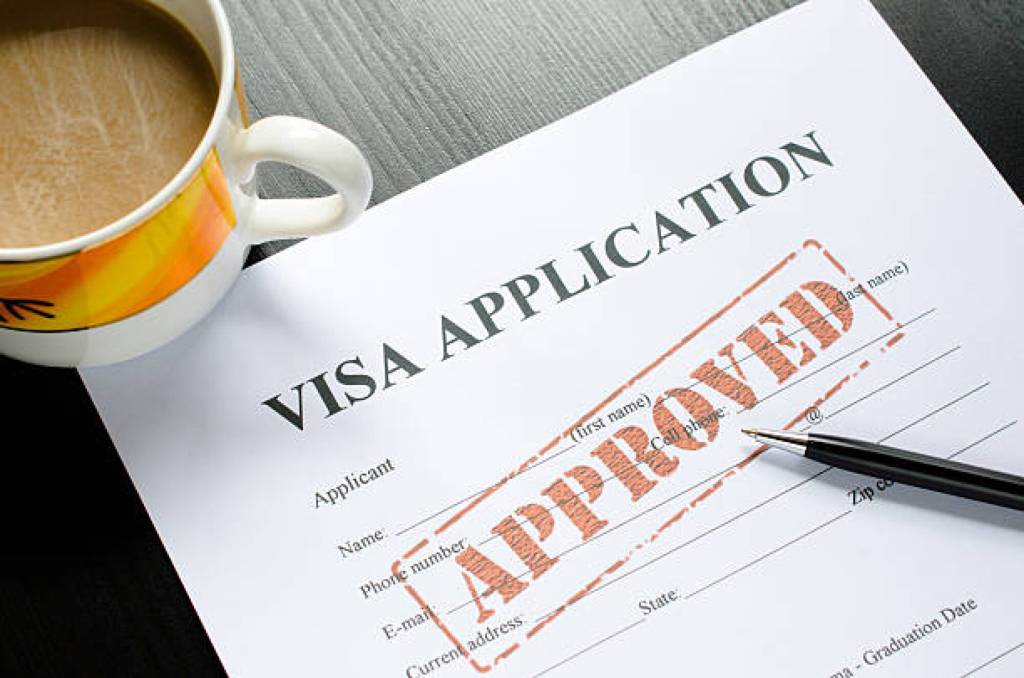
Once you’re clear on why you’re moving to Thailand, finding the right visa is much easier. Consider using a visa agent to speed up the process. Refer to the visa comparison table below for quick reference.
|
Visa Type |
Best For |
Validity & Conditions |
|
Destination Thailand Visa (DTV) |
Digital nomads, remote workers |
5-year validity, 180-day stays, foreign-earned work only |
|
Non-Imm B + Work Permit |
People working for a Thai company or setting up local business |
Job offer and contract in place, 1-year renewable with work permit |
|
Retirement (Non-Imm O/OA/OX) |
Retirees 50+ |
1-5 years, depending on visa type. No work. |
|
Long-Term Resident (LTR) |
Wealthy individuals, retirees, professionals |
10-year visa, strict financial eligibility, potential tax benefits |
|
Thailand Elite Visa |
Long-term luxury residents |
5-20 years, depending on membership package and fee, VIP perks. No work allowed. |
|
Education (ED) |
Students |
Acceptance in a Thai educational facility, variable length of stay |
|
SMART |
Tech professionals, investors and start-ups in targeted industries |
Stringent requirements depending on Visa category, up to 4-years, work permit not required |
|
Tourist |
Short-term stay |
Usually up to 60 days, not suitable for relocation |
2. Sort Out Key Documents
Before applying for your visa or moving, ensure your paperwork is in order; this will save time and stress later.
-
Passport (valid at least 6 months beyond your intended stay)
-
Financial proof (bank statements, pension or income evidence)
-
Health insurance (mandatory for some visas)
-
Job or business documentation (contracts, company papers)
-
Education, marriage certificates (if applicable)
-
Immigration Visa application form and passport photos
-
Proof of accommodation (hotel booking or proof of where you will stay)
-
Understand tax obligations in Thailand vs home country
-
Plan currency transfers and a living budget
3. Organise Relocation Logistics

A smooth move starts with detailed planning; the more you prepare, the less worrying your first few weeks will be.
-
Research and hire an international moving company (if shipping belongings or furniture)
-
Check customs regulations for importing household goods
-
Decide what to bring vs buy locally to save on shipping costs
-
Arrange temporary accommodation for your first weeks while you settle in
-
Find a suitable international school
-
Engage a pet relocation service (if applicable)
4. Find a Property (Rent or Buy)
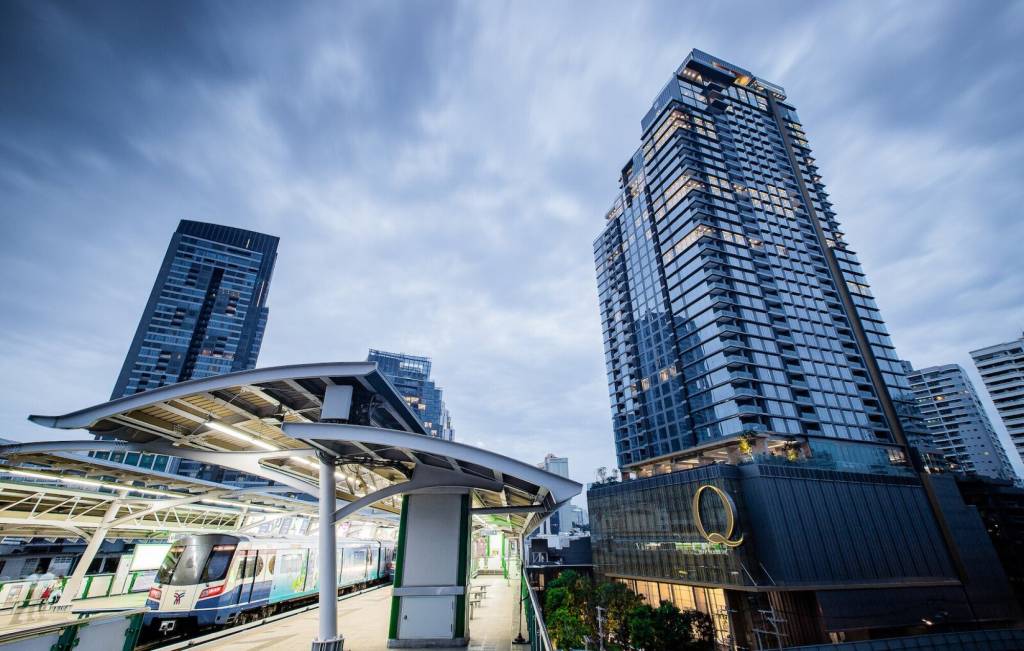
Whether you’re staying short-term or putting down roots, finding the right home is key to enjoying life in Thailand.
-
Research destinations and neighbourhoods:
-
Dreaming of a tropical island lifestyle? Check out our guides Which Thai Island is Right for You and Discover Koh Phangan: A Rising Star.
-
For city living, explore 5 Great Neighbourhoods to Match Your Lifestyle.
-
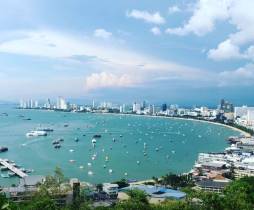
If the coast calls, consider Pattaya and Hua Hin.
-
Decide on property type: Condo, house, villa or serviced apartment
-
Contact a reputable Thailand Real Estate agency like Lazudi for expert advice on buying property in Thailand or renting property in Thailand.
-
Check lease or sales agreement carefully to avoid legal surprises
-
Understand foreign ownership rules; condo vs land and company structures
5. Set Up Local Services
Once on the ground, getting your day-to-day essentials sorted early makes settling in Thailand much easier.
-
Get a local SIM card or mobile plan
-
Open a Thai bank account: Check with the bank first, most require at least a passport and proof of address.
-
Arrange internet and utilities if you’re renting or buying property in Thailand. Fibre internet is widely available in cities and tourist hubs.
-
Obtain Thai Driving Licence, if required: You’ll need at least proof of address, your home country licence or IDP, passport, medical report, and application form.
-
Consider hiring a visa agent to assist with immigration services, driver's licence and setting up utilities. Many expats choose this option as they’re unfamiliar with government requirements, and it can save time, multiple trips, and a lot of frustration.
6. Register Address & Immigration Steps

Ensure you stay compliant with Thailand's immigration requirements. Skip these and you could face fines or visa problems.
-
TM30 registration: Your landlord or property manager must register your stay with Immigration. The TM30 form is required for visa extensions, 90-day reporting and other immigration processes.
-
90-day reporting: For long-stay visa holders, you must report your address to Immigration every 90 days, either in person, online or by mail.
-
Re-entry permit: If you leave Thailand while on a long-stay visa, obtain a re-entry permit to avoid your visa being cancelled if your visa does not have multi-entry.
7. Healthcare & Insurance

Thailand offers public and private healthcare. It is relatively inexpensive compared to many Western countries, but costs can escalate quickly.
-
Choose between public and private hospitals: Most expats prefer private hospitals for faster service, English-speaking staff, and more comfortable facilities.
-
Purchase expat or Thai health insurance: Some visas require insurance from Immigration approved companies.
-
Identify a local doctor or clinic in case of emergence
Moving to Thailand is exciting, and good planning makes all the difference. From securing the right visa to finding your ideal home, each step smooths your transition. Whether you’re looking to buy or rent property in Thailand, contact the Thailand property experts at Lazudi today for trusted advice and a smooth move.