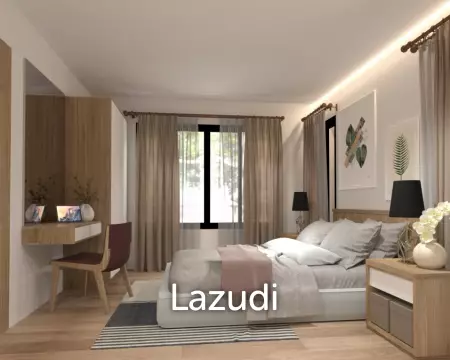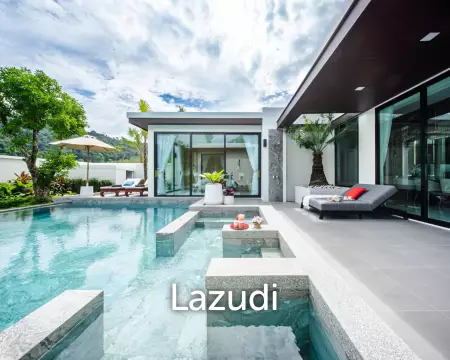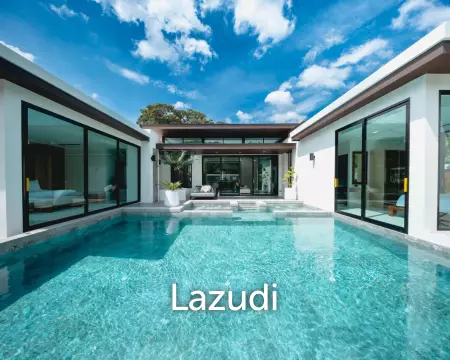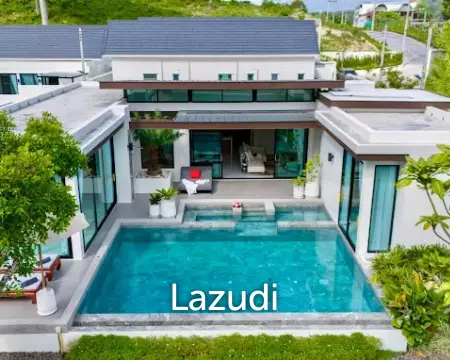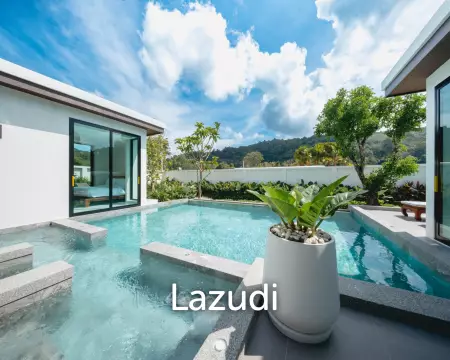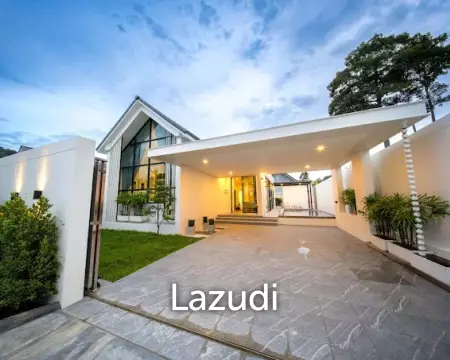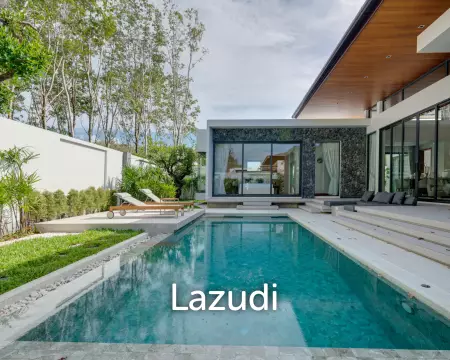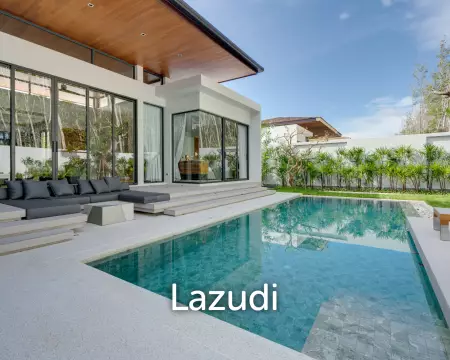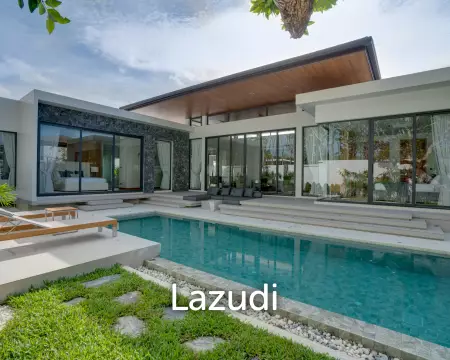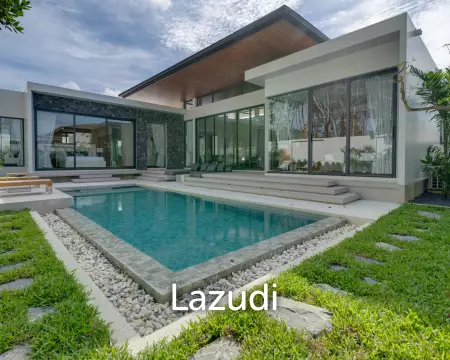

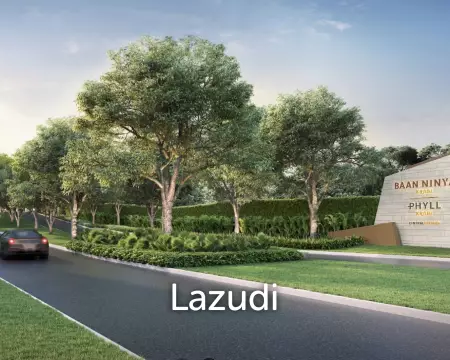
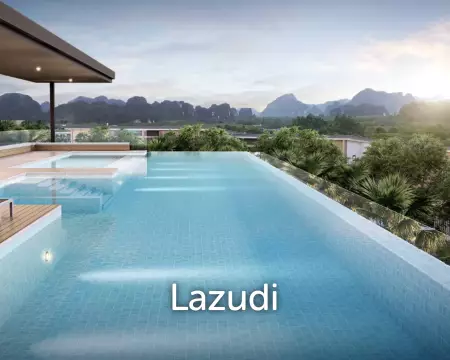
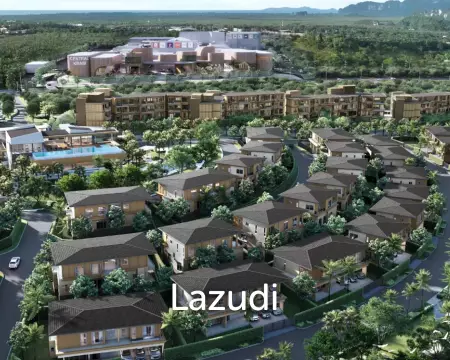
Baan Ninya Krabi
Muang Krabi, Krabi
Krabi Cliff Villas
Muang Krabi, Krabi
Andara Pool Villas
Muang Krabi, Krabi
1 to 4 of 4 Results
No foreigner can own land in their name in Thailand. The standard method in Krabi is "Leasehold" (30+30+30 years) or purchasing a condo (Freehold). For villas, most buyers use a Thai Limited Company structure, though this requires strict legal compliance.
Yes, more so than Phuket. The "Green Season" (May–Oct) sees a significant drop in tourism due to the monsoon facing the Andaman Sea. Investors in rental products should calculate yields based on a 7-8 month high season, not 12 months.
Virtually none in the tourist zones. The visual integrity of the limestone cliffs is protected by law. If you see a high-rise, it is likely an older building in Krabi Town, far from the beach.
Yields can be slightly lower (4-6%) due to the seasonality, but the entry price is also 30-40% lower. Capital appreciation is driven by the expansion of the airport and new roads.
Following the 2004 Tsunami, strict "Setback Zones" were enforced. No new permanent structures can be built within the immediate wave zone. All new developments must have Tsunami evacuation routes integrated into their EIA approval.
Discover the "Nature-First" property market of Krabi, where limestone karsts and National Park boundaries strictly limit development density. Krabi positions itself as the "Anti-Phuket," focusing on low-rise, eco-sensitive projects that appeal to nature lovers and those seeking a slower pace of life.
Krabi’s real estate market is defined by what cannot be built.
The Marine Park Influence:
With much of the coastline falling under the Hat Noppharat Thara–Mu Ko Phi Phi National Park, the "Beachfront" asset class is virtually non-existent for private condos.
The 12-Meter Cap: In key tourist zones like Ao Nang, strict municipal codes generally limit buildings to 12 meters (approx. 4 floors) to ensure no structure rises above the coconut tree line or obstructs the view of the cliffs.
Evolution: In the early 2000s, Krabi was a backpacker hub. The expansion of Krabi International Airport (KBV) in 2006 and 2012 opened the door to direct international flights, triggering a shift toward 4-star "Condotel" investment products.
Ao Nang (The Tourist Hub):
The main beach town of Krabi is the center of activity.
Limestone Backdrop: Real estate here is defined by the dramatic karst cliffs.
Condo Emergence: Ao Nang is seeing a rise in "condotel" developments. These are managed properties catering to the mass tourism market, offering yield-hungry investors an entry point into the Krabi market.
Klong Muang (The "Royal" Strip):
Just north of Ao Nang, this is the luxury enclave home to the Dusit Thani and Royal residence.
Quiet Luxury: The vibe is completely different—no tuk-tuks, no neon lights. Developments here are low-density, high-end villas and boutique resorts. It attracts buyers looking for a "Robinson Crusoe" feel with 5-star comfort.
Krabi Town (The Authentic Capital):
The administrative center offers a slice of real Southern Thai culture.
River Living: The market here is focused on the Krabi River estuary. You’ll find riverfront townhomes and local housing estates. It’s not a tourist zone; it’s where the locals and long-term expats live, offering a much lower cost of living and authentic southern food.
Krabi offers a lower entry price than Phuket but with higher seasonality risks.
Invest in the view. Contact our southern team to find units with guaranteed cliff or ocean views that are protected from future blockage.
Sign in or create an account
By continuing, you agree to our Terms and Privacy Policy.
We use cookies to ensure you have the best experience. Helping us understand website usage, make improvements, and deliver the right results. By clicking “Accept All” you consent to use of cookies. Cookie Policy