





Looking for a new place in Thailand and wondering whether to rent or buy a condo, apartment, or flat? You’re not alone. Across the world these terms often get used interchangeably, but in Thailand they mean very different things – especially when it comes to ownership. Understanding these distinctions can save you confusion later, particularly if you’re looking to buy a condo or rent an apartment.
Flats – A General Term, Not a Legal One
Let’s start with the easy one: flats. The term isn’t commonly used in Thailand, although it pops up in English-language listings. A flat simply means a self-contained unit in a larger building, a broad term that covers both condos and apartments in Thailand.
Condos – Individual Ownership and Clear Titles
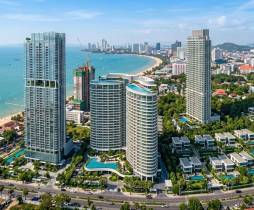
Condos are the most common form of private ownership in Thai cities and resort areas. They’re regulated by the Condominium Act (1979), which allows developers to divide a building into individually owned units. Each condo comes with a title deed (chanote), giving you legal ownership of your specific unit and shared rights to common areas such as the pool, gym, and parking.
Foreigners can own up to 49% on a freehold basis of the total floor area of all units in the project at the time of registration/purchase. Thai nationals must own the remaining 51%.
Condos are managed by a juristic office or property manager responsible for building maintenance, fee collection, and general administration.
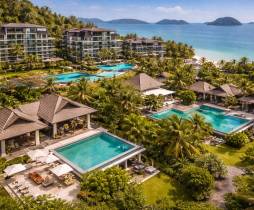
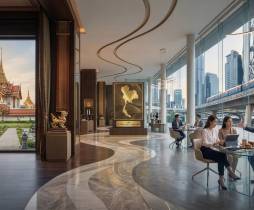
Condominiums, particularly new and large-scale projects, often include security, on-site staff, fitness facilities, and shared lounges – making condos ideal for residents or investors who prefer convenience. Condo sizes vary from compact studios to multi-bedroom penthouses, and may be unfurnished, partly or fully furnished. As condos are individually owned, rental rates can vary between similar units.
If you’re browsing the market, you’ll find an extensive range of options to buy a condo or rent a condo in Thailand’s most popular destinations.
Apartments – Single Ownership, Different Rules
Here’s where things get interesting. In Thailand, apartments are usually owned by a single individual or company, not divided into separate title deeds. Essentially, it’s a ‘one landlord owns the whole building’ model.
Apartments are less common than condos. Most apartments are for rent only, but in some areas – especially Koh Samui, Koh Phangan, and parts of Phuket – you’ll find apartments for sale. These tend to follow alternative ownership structures, such as:
-
Leasehold: a long-term lease (typically 30 years) giving the right to occupy a unit, with possible contractual renewals.
-
Company-share model: Buyers own shares in the Thai company that holds the land and building. Foreigners can hold up to 49% of company shares, while 51% must be Thai-owned.
These are not “condominiums” in a legal sense, even though the property may look like a condo. Maintenance of common areas and apartments is handled by the landlord or building owner. Apartment rentals are usually ready-to-move-in. Short-term leases are sometimes available through booking platforms, as well as 12-month leases like these apartments for rent in Bangkok.
The reason apartment structure exists is partly historical. For several years, new condominium licences were not commonly issued in Koh Samui and Koh Phangan, so developers built apartment-style projects using leasehold or company-share ownership. Licensing has since resumed, but the legacy means Samui and Phuket still have a mix in the market.
Serviced Apartments
A special mention to serviced apartments – residences that combine the space and independence of a private home with hotel-style services. They’re usually rented (not sold) and appeal to business people or expats seeking full service. Expect housekeeping, 24-hour reception, and often access to gym, pool or co-working spaces. Browse serviced apartments for rent.
Condos vs Apartments at a Glance
|
Feature |
Condo |
Apartment |
Flat |
|
Ownership |
Individual unit title deed |
Single-owner; leasehold or company-share sales |
General term only |
|
Legal Framework |
Condominium Act (1979) |
Private ownership or lease contracts |
- |
|
Foreign ownership |
Up to 49% freehold |
Leasehold or company-share model; up to 49% |
- |
|
Management |
Juristic office |
Owner or operator managed |
- |
|
Maintenance |
Unit owners pay maintenance fees, Juristic organises maintenance |
Owner or operator responsible for costs and organisation |
- |
|
Facilities |
Often shared pool, gym, parking |
Varies by project |
- |
|
Typical Use |
Buy or rent |
Mostly rental, some leasehold |
Summary: Know What You’re Buying or Renting
In Thailand, the difference between a condo and an apartment comes down to legal structure. Condos offer individual ownership and legal title, while apartments are single-owner buildings where units are leased or share-owned. If you searched for a flat for rent in Bangkok, it could refer to any type of unit within a building. See our guide, Top Bangkok Neighbourhoods for Condo Buyers in 2025.
For buyers, understanding this distinction is essential – especially in Samui, Phangan, Phuket and Pattaya, where both models exist, albeit in a very small proportion. For more context on island markets, see Koh Samui vs Phuket: Which Thai Island is Right for You?
For most tenants, whether they rent a condo or an apartment makes little difference to their day-to-day life; both offer great modern living options in Thailand. The real differences lie behind the scenes: who owns the property, how leases are structured, and how maintenance and utilities are managed.
Apartments and serviced apartments are ideal for flexible or short-term living. But if you’re planning to stay longer, or invest in property, explore condos for sale in Thailand. For those testing the waters, condos for rent in Bangkok offer a great starting point.