





Thailand Real Estate Investment 2030 : Inside the Rise of Walkable 15-Minute Cities and Smart Living
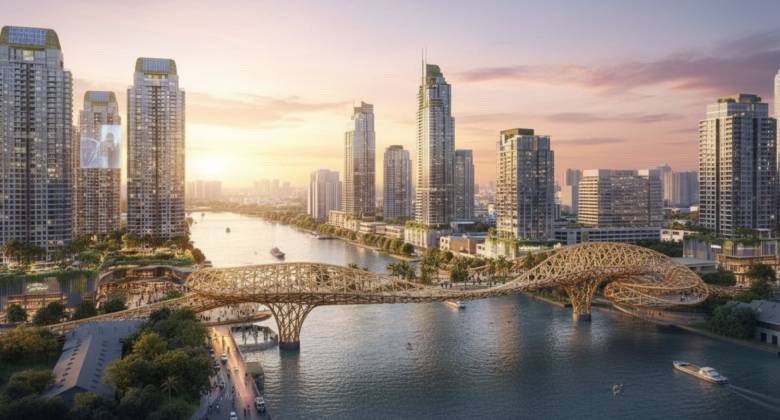
By 2030, Thailand’s most valuable homes won’t just be in prime locations — they’ll sit within walkable, 15-minute neighbourhoods, where daily life, transport and essential services are seamlessly connected, and supported by smart, climate-resilient design.
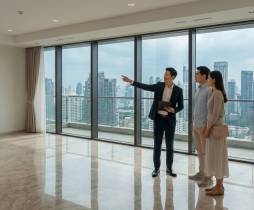
Thailand’s real estate market is entering a new phase for property investors and long-term buyers, influenced by smarter urban design, improved connectivity and a stronger focus on liveability. As the mass-transit networks expand and smart city initiatives roll out, demand is shifting toward well-connected neighbourhoods where daily life happens close to home – a change most visible in congested cities like Bangkok.
At the same time, high-end buyers are looking beyond luxury finishes to homes that integrate smart technology, energy efficiency and climate resilience. For investors, this shift supports stronger long-term capital growth, more resilient rental demand, and assets designed to stay relevant well beyond 2030.
The Market at a Turning Point
Looking toward 2030, Thailand’s residential market is being shaped less by short-term cycles and more by long-term structural change. Infrastructure investment, evolving lifestyle preferences and renewed interest in premium real estate are reshaping how and where people choose to live, work, and invest.
Against this backdrop, Thailand’s luxury residential sector is projected to approach US$88 billion by 2030, according to independent research by MarkNtel Advisors. Growth is supported by steady economic expansion, tourism recovery and rising demand for high-quality, liveability-focused housing. For investors, this is creating opportunities at the top end of the market, where long-term value is increasingly linked to how well a home works day to day – not just its size or finishes.
At the same time, today’s market rewards being more selective. High household debt and tighter lending have cooled demand in parts of the mid-market, particularly in Bangkok, where condominium supply has built up. In this environment, not all properties perform equally, making location, developer quality, and proximity to transport more important than ever.
Browse New Developments in Thailand.
Key Trends Shaping Thailand’s Property Market to 2030
Looking ahead, two long-term forces are affecting where property value is likely to concentrate. The first is a shift toward walkable, transit-oriented living, where convenience and connectivity matter more than sheer size. The second is the move toward smarter, more resilient homes, where sustainability and technology are becoming baseline expectations rather than premium add-ons.
Together, these trends are influencing both buyer behaviour, rental demand and long-term investment performance.
1) Walkable Living and Transit Oriented Demand
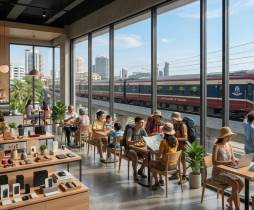
Across Thailand’s major cities and resort destinations, demand is increasingly focused on neighbourhoods where everyday life happens close to home. The “15-minute city” concept – now gaining global attention – places work, shopping, dining and transport within easy reach, offering a practical response to congestion, pollution and declining urban liveability.
For investors, this reinforces the importance of transit-oriented development (TOD). Thailand’s smart city property initiatives are supporting a new generation of greener, better-connected urban districts, backed by organisations such as the World Bank and the Public-Private Infrastructure Advisory Facility (PPIAF).
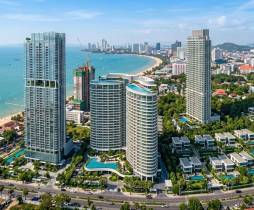
On the ground, the investment case is clear. As Bangkok’s BTS and MRT networks expand beyond the traditional CBD, Bangkok smart home condos within a five-to-ten-minute walk of stations continue to attract stronger rental demand and hold liquidity better over time. These same locations also tend to support deeper resale liquidity, particularly among international buyers and long-term expats prioritising convenience, walkability and predictable infrastructure access.
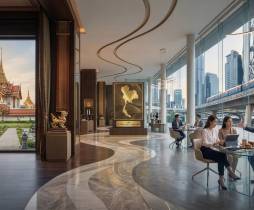
Major infrastructure hubs, including the Bang Sue Grand Station precinct, are also reshaping surrounding districts by combining transport, retail and residential uses into single, highly connected urban centres. Branded residence condos in Bangkok are another market segment performing strongly, particularly among international buyers seeking professionally managed, lifestyle-led homes.
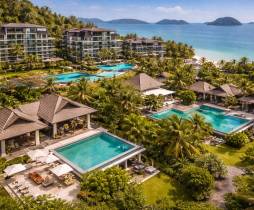
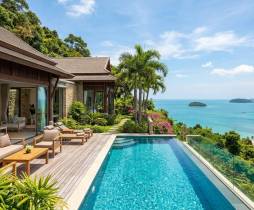
Outside Bangkok, Phuket stands out as the fastest-growing residential market, with projected growth of around 7% CAGR to 2030, supported by mixed-use developments, infrastructure upgrades and a limited supply of prime land. Phuket: best destinations to live, invest or retire provides insight into this growth market.
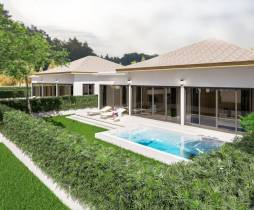
See new villa and house developments.
2) Smarter, More Resilient Homes
Alongside location, expectations around building design are evolving. Eco-Friendly Real Estate or smart, sustainable housing in Thailand, with a focus on energy efficiency, climate-responsive design and green certifications such as LEED and TREES, is becoming increasingly common — particularly in higher-end developments targeting international buyers and long-term residents.
Leading developers, including MQDC, are adopting Real Intelligent Building principles, where AI operates as an invisible layer — using IoT systems and data analytics to optimise energy use, regulate HVAC systems based on occupancy and external conditions, and enhance security without direct resident input. For investors, this kind of AI-ready infrastructure supports lower operating costs today while ensuring buildings remain compliant with tightening sustainability and energy-efficiency standards over the next decade. For residents, this translates into lower running costs and greater day-to-day comfort.
Impact on the Residential Rental Market
These same forces are also changing Thailand’s residential rental market. As affordability pressures persist and lending criteria remain tight, more residents are choosing to rent for longer – particularly in urban areas. Industry forecasts suggest rental activity will continue to grow steadily, with annual expansion of around 6% through to 2030.
For investors, this reinforces the appeal of well-located, professionally managed residential properties, with homes near mass transit, employment hubs and lifestyle amenities proving more resilient.
Developers are placing greater emphasis on flexible leasing models, renter-friendly design and co-living spaces for urban professionals.
Government Initiatives & Emerging Hot Zones
Underpinning these market shifts is a clear policy push from the Thai government. Through its Thailand 4.0 strategy and national Smart City program, Thailand is prioritising technology-led growth, sustainable urban planning and improved liveability. The Smart City Development Plan targets around 100 smart cities by 2040, with 37 cities across 25 provinces already participating.
For property investors, this matters because designated Smart City Promotion Zones typically receive priority infrastructure investment across transport, digital connectivity, energy and environmental systems. Established examples include Phuket, Chiang Mai and Chonburi.
The Eastern Economic Corridor (EEC), best known for its industrial and logistics role, is also driving growing demand for high-quality residential projects near employment hubs, international schools and transport infrastructure. Moving forward, new developments in EEC 2026 will see land preparation and planning progress in areas such as Huay Yai – increasingly positioned as a next-generation residential zone aligned with EEC growth and smart city ambitions.
In Bangkok, continued BTS and MRT expansion reinforce the value of transit-led residential growth. Properties within walkable distance to existing or future stations remain best placed to benefit from long-term demand, liquidity and rental resilience. This article also highlights Bangkok Hot Spots.
Investment Takeaways: At a Glance
-
Prioritise place over price: Walkable neighbourhoods with strong mass-transit continue to outperform, particularly homes within ten minutes of BTS and MRT stations.
-
Back Eco-friendly real estate in Thailand: Energy-efficient design and smart systems support lower operating costs, stronger rental appeal and long-term relevance.
-
Focus on resilience over speculation: Well-capitalised developers, professional management and flexible leasing models are better placed to support consistent income and clearer exit pathways across market cycles.
-
Follow infrastructure investment: Smart city zones, transit expansion corridors and areas linked to long-term employment growth will likely offer greater future demand.
Looking Ahead
As Thailand’s property market moves toward 2030, the strongest opportunity will favour homes in walkable locations, smart and sustainable design and professionally managed developments, including branded residents in Thailand. For investors, success will come from understanding where people want to live next, and choosing assets designed to perform as cities evolve.
See all our properties for sale in Thailand or contact our Lazudi team to help you find your next investment.
References:
MarkNtel Thailand Luxury Residential Real Estate
PPIAF
Mordor Intelligence Thailand Real Estate Market
The Nation Depa Pushes Smart City
Asia Property Award MQDC