





Thailand’s property market has long attracted attention from international buyers, whether they are investors seeking returns, retirees looking for a warm-weather home, or entrepreneurs seeking to tap into the country’s growing urban economy. But one question continues to crop up:
Can Foreigners Buy Property In Thailand?
The short answer: Yes, but there are limitations and those limitations differ depending on the type of property you are looking at. This guide breaks down the ownership rules for condos, townhouses, and retail spaces, and helps you understand what is possible, what is not, and what workarounds exist if you are serious about investing in Thai real estate.
Understanding Property Ownership for Foreigners in Thailand

Thailand allows foreign ownership of certain types of property but land ownership is where the rules get strict. Foreign nationals are not permitted to own land directly. However, they can:
-
Buy and fully own a condominium (under specific rules)
-
Lease land or property long-term (usually up to 30 years, with optional renewals)
-
Establish a legally compliant Thai company that holds land.
-
Own buildings or structures, but not the land underneath
So while the path to ownership is not always straightforward, it is absolutely possible, especially if you understand how the rules differ depending on the type of property you are after.
Condominiums: The Easiest Path for Foreign Buyers
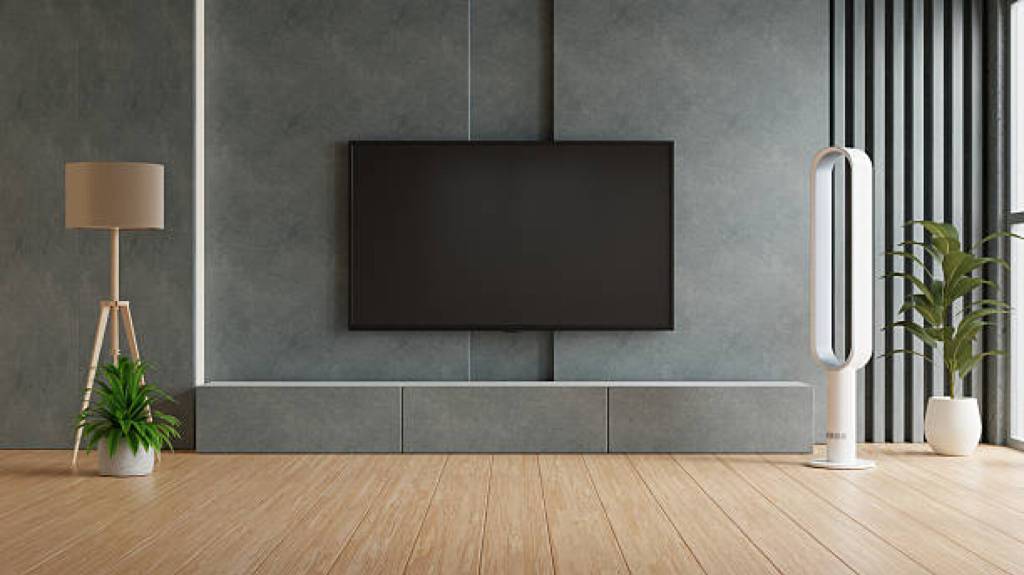
If you are new to the Thai property market, condominiums are by far the most accessible option. Thai law clearly allows foreigners to own condo units outright, provided a few conditions are met:
What Foreigners Can Own in a Condo Project
-
Ownership must fall within the 49% foreign quota of the total sellable area in the building.
-
The buyer must transfer the purchase funds from overseas in foreign currency.
Once those two requirements are fulfilled, foreigners can hold a full freehold title to the unit in their name.
Required Documents for Condo Purchase
-
A copy of Passport
-
Sale and Purchase Agreement
-
Title deed (Chanote)
-
Foreign Exchange Transaction Form (FET) from the bank to confirm the international fund transfer
Things to Watch
-
You will not be able to convert the unit into an office unless the building zoning allows it.
- Some developments reach their foreign quota early, so it is important to ask about availability upfront.
Who Are Condominiums Best For?
-
Expats who are looking for a permanent residence.
-
Retirees interested in a quiet, maintenance-free lifestyle
- Investors seeking rental income from tenants or short-term stays
Townhouses: Trickier Due to Land Ownership Restrictions
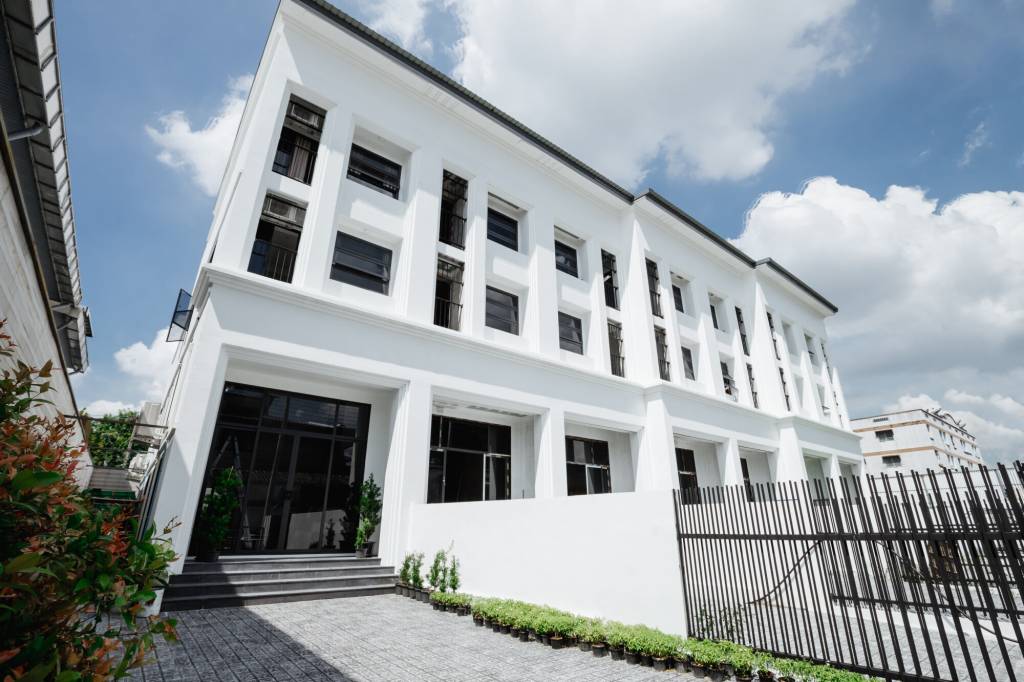
Unlike condominiums, townhouses come with land, meaning foreign buyers can not legally own them outright in their name. That said, there are a few legal structures that foreigners use to gain long-term use or control of townhouse properties:
Your Options as a Foreign Buyer
-
Lease the land for 30 years with options to renew (a commonly used workaround)
-
Set up a Thai company with 51% Thai shareholders to hold the title.
-
Buy in your Thai spouse’s name, registering the land as separate (non-marital) property.
Risks and Realities
-
Leasing does not grant full ownership and can be complicated to sell in the future.
-
Nominee shareholders are illegal under Thai law; any fake company structures carry significant legal risk.
-
If the property is held in a spouse’s name, issues may arise in case of divorce or inheritance.
Who Townhouses Suit Best
-
Long-term expats with Thai family ties
-
Buyers are comfortable working with a Thai legal firm to structure ownership
-
Investors with plans to redevelop or add value over time
Retail Shops & Commercial Units: Ownership with Conditions
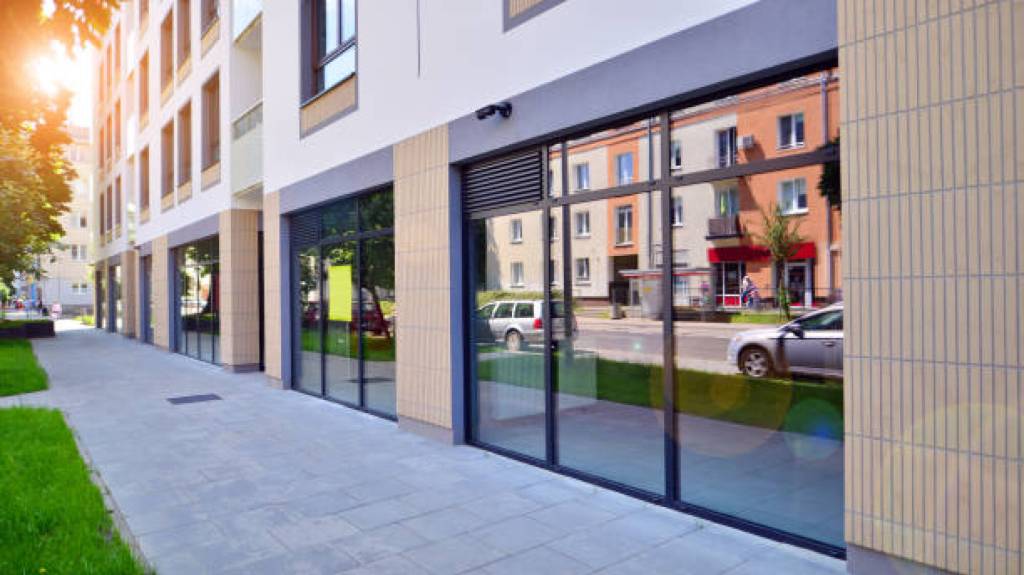
Looking to open a boutique, café, or co-working space in Thailand? You will face some unique challenges as a foreign buyer, but solutions do exist.
How Foreigners Can Invest in Retail Property
-
Buy shop units within condominium buildings (these are legally similar to residential condo units)
-
Lease a shophouse or commercial building, sometimes with an option to renew
-
Set up a Thai limited company to own and operate a business property
Key Considerations
-
Certain zones in Bangkok and Pattaya are marked residential, meaning you can’t operate a shop in those buildings.
-
Commercial leases often run in cycles, such as 3+3 or 5+5 years. These should be legally registered to ensure protection.
-
Due diligence is vital. Not all “commercial” units marketed to foreigners are legally approved for such use.
Best Fit For
-
Foreign entrepreneurs setting up retail operations
-
Investors targeting tourist areas for high rental yield
- Buyers seeking mixed-use properties with both business and residential potential
Leasing: The Go-To Strategy for Land Access
When direct land ownership is not possible, leasing remains a viable and popular option.
Lease Structure in Thailand
-
Typical lease contracts last up to 30 years
-
Some contracts offer two automatic renewal periods (another 30 + 30 years), but enforcement depends on both parties.
- Leases over 3 years must be registered at the local Land Department
Pros
-
Gives long-term security without needing to set up a Thai company
-
Allows construction or renovation of structures on leased land (subject to owner approval)
Cons
-
Difficult to resell compared to freehold
-
You can not use leased property as mortgage collateral.
-
Renewals must be renegotiated, there is no absolute legal guarantee they will be honoured.
Owning via a Thai Company: A Legal but Complex Route
Another option is to establish a legitimate Thai limited liability company. This route allows foreigners to control a property effectively, but it must be done properly.
Requirements
-
Thai nationals must hold at least 51% of the company
-
The company must operate a genuine business (not just exist to own land)
-
Annual tax filing and company upkeep are mandatory.
This option can be attractive for business-minded buyers, but it does come with administrative responsibility and legal scrutiny.
What About Inheritance Rules?
Foreigners can pass down ownership of condominium units to their heirs, provided the quota remains within legal limits. In contrast, land leased or held via a company or spouse will fall under Thai succession law.
Tip: Drafting a Thai-language will through a licensed attorney is a must if you own or plan to own property here.
Quick Reference Table
|
Property Type |
Can Foreigners Own It? |
Alternatives |
Best For |
|
Condo |
Yes (within 49% quota) |
— |
Expats, retirees, investors |
|
Townhouse |
No (not land) |
Lease, company, or Thai spouse |
Long-term expats |
|
Retail Shop |
No (land) |
Commercial condo, lease, or company |
Entrepreneurs, business investors |
Practical Advice Before You Commit
-
Always use a bilingual lawyer who specialises in Thai real estate.
-
Stick to properties with Chanote (full title) land documents.
-
Do not assume, always check zoning and foreign ownership quotas firsthand.
-
Register any lease longer than 3 years at the Land Office.
- When purchasing through a company, ensure it has legitimate operations and up-to-date tax filings.
Final Words
So, can foreigners buy property in Thailand? Yes, if you know the rules and work within the system. For most overseas buyers, condos offer the cleanest, safest route. Townhouses and retail units are still accessible but come with added complexity. With the right guidance, a clear legal structure, and an experienced agent, buying property in Thailand is not only possible but also a smart and rewarding move.
Explore available listings and speak with trusted professionals at Lazudi.com to find the property that suits your lifestyle and goals.