





Dreaming of Thailand? Wide open beaches, breathtaking lush tropical forests and mountains, unique culture, incredible cuisine, and friendly and welcoming people make it one of the most popular places for holidaymakers and expats. As a bonus, the cost of living and holidaying in Thailand is attractive too.
Measuring over 1,600km from north to south and 780km east to west at its widest point, traversing the country is easy for road travel thanks to the modern highway and tollway systems. However, jumping on a short flight is a fast and easy option if time is of the essence.
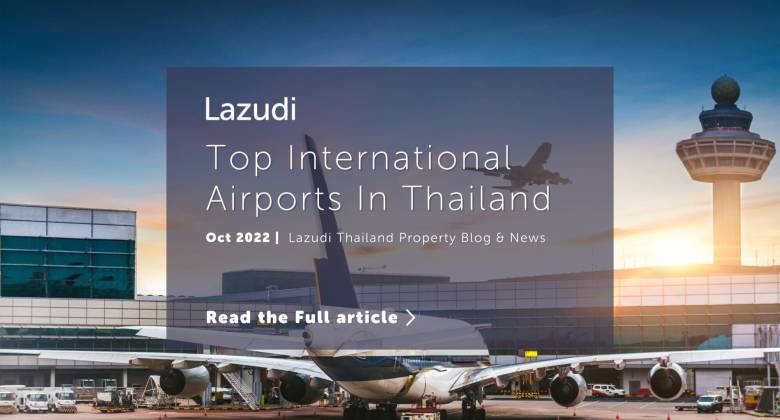
This article will introduce you to some of the country’s major airports and showcases some of the best escapes by plane from Bangkok, including Chiang Mai, Koh Samui, Phuket, and Pattaya. We have also included the lowdown on proposed improvements and developments across the airports.
Suvarnabhumi Airport, Bangkok (IATA Code: BKK)
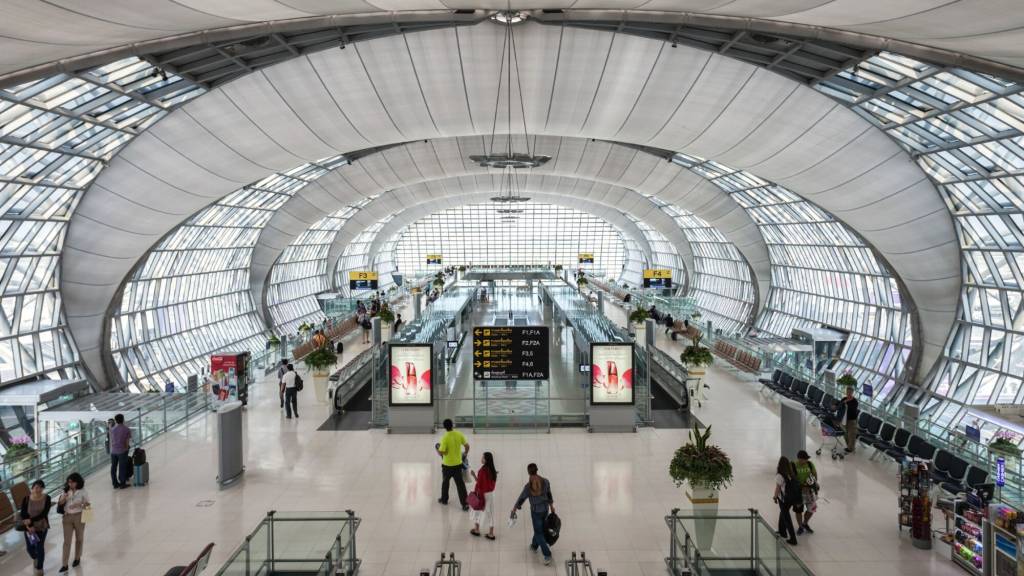
This is Thailand’s busiest airport, handling most international long-haul flights, many domestic services, and cargo flights. Pronounced ‘su-wan-na-poom’, and for ease, Suvarnabhumi is often called ‘Bangkok Airport’.
Currently, two parallel runways and taxiways operate. A third runway is expected to be completed in late 2022 or earlier the following year. Expansion to the passenger terminal/s is slated for completion in 2025. The additional facilities will take capacity from 45 million to 120 million people annually.
Located 30km east of Bangkok city, the Airport Rail links to central Bangkok, plus buses, taxis, and minivans are available. A free bus service transports passengers to Bangkok’s second Airport, Don Meuang, which also caters for domestic and short-haul international services, often on low-cost carriers.
Sitting as number 11 of Asia’s major airport hubs, just above Singapore’s Changi airport, Suvarnabhumi has all the services you would expect. These include business-class lounges, nearby airport hotels, restaurants, shops, duty-free, rental cars, money exchange, phone services, and so forth.
Don Mueang International Airport (IATA Code: DMK)
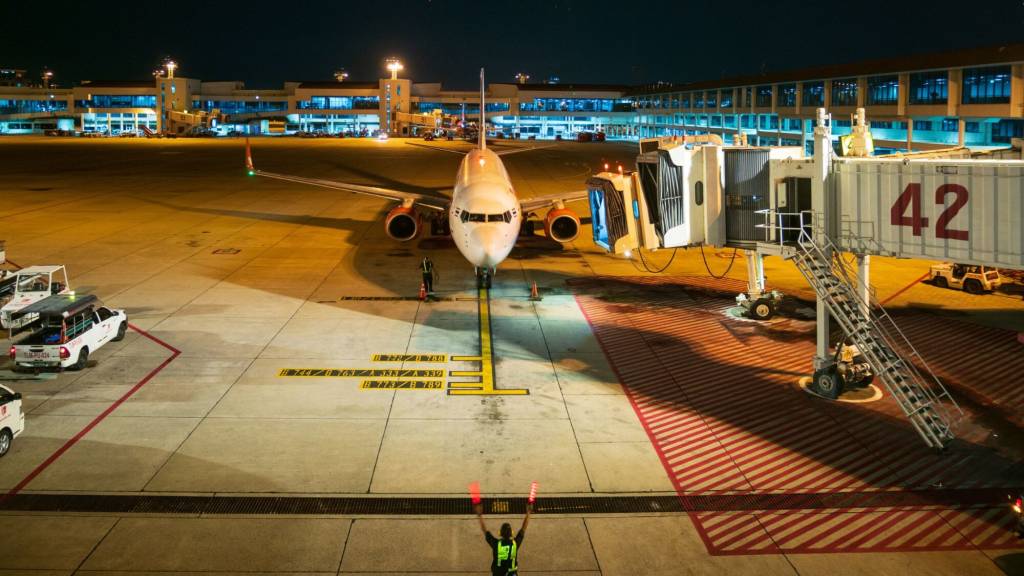
The ‘grand-daddy’, Don Mueang Airport, is the oldest active airport in Asia. Officially opening in 1914, commercial operations began in 1924. It closed with the opening of Suvarnabhumi, reopening 6 months later for domestic services in early 2007.
The airport can manage 60 flights per day and approx 30 million passengers per year. Terminal 1 is dedicated to international aviation, and Terminal 2 is domestic. Several low-cost carriers operate from Don Mueang. All the usual services of an international airport are available, plus the Amari Don Muang Airport Hotel connects to the terminal via an air-conditioned walkway.
Located about 24 km north of Bangkok city, connecting travel is available by taxi or bus. In August 2022, the new ‘Red Line’ Skytrain began operating from Don Meuang to Bangkok’s new central station, Bang Sue Grand Station, the largest railway station in South East Asia. In terms of expansion, a third terminal has been designed, with bidding to commence soon.
U-Tapao Rayong-Pattaya International Airport (IATA Code: UTP)
U-Tapao was built by the United States to accommodate B-52 bombers for missions in Vietnam, Laos, and Cambodia during the Vietnam War. Construction was completed in 1966. With the war ending, it served as the U-Tapao Royal Thai Navy Airfield, home of the Royal Thai Navy First Air Wing. In time parts of the facilities were transformed into an alternative to Don Meuang airport.
Its long runway can accommodate large passenger jets, such as the A380s. A second terminal opened in 2019, with a capacity for 3 million passengers, granting excellent modern facilities and services. Located just 45 minutes south of Pattaya, it’s a perfect choice for those living or holidaying on the eastern seaboard, with good connections to key destinations by road.
Importantly, U-Tapao is part of the strategic Eastern Economic Corridor (EEC) project and will see this airport continue to expand to hold the status of Bangkok’s third modern international airport. Current expansion plans will see the airport handle 15 million passengers within the next five years, 30 million in the next 15 years and 60 million in the next 20 years.
In the next two years, a new high-speed railway line connecting U-Tapao to Suvarnabhumi and Don Meuang airports facilitating seamless travel. As an element of the EEC, U-Tapoa will also develop as an aviation maintenance hub plus high-tech aeronautical industries.
Phuket International Airport (IATA Code: HKT)
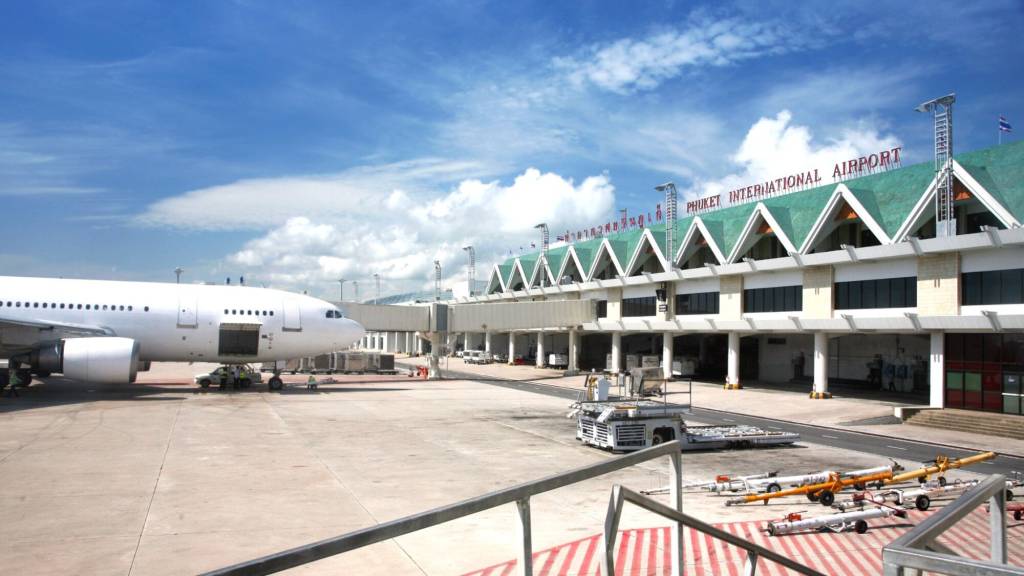
Tourists and expats living in Phuket enjoy this modern international airport’s convenience. Being a favourite tourist destination, up to 19 million people transit each year, according to the WorldData website, making it the second busiest airport in Thailand. It also stands out for its high aesthetic appeal.
Over 40 low-cost to full-service airlines operate out of Phuket, Thailand’s largest island. It has three terminals, catering to international, domestic and charter flights. With easy local onward travel by taxi, limo or bus, you can relax by the beach within an hour.
A popular plane spotting area is Mai Khao beach, in the north of Phuket and adjacent to the airport’s west-east runway. Standing on the beach, the plane’s belly seems almost within reach of your outstretched arms as they approach for landing.
Samui Airport (IATA Code: USM)
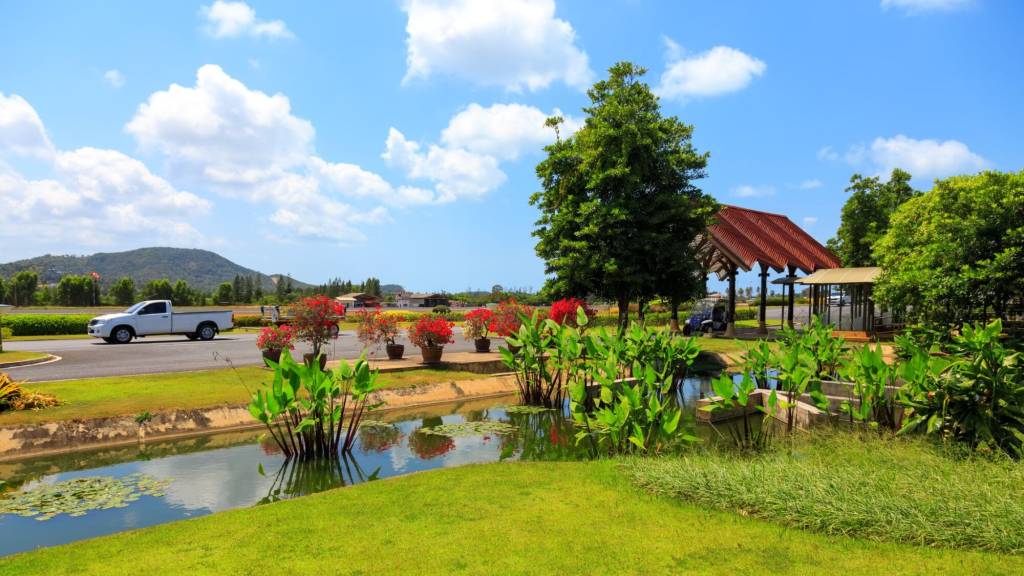
Another major tourist destination and a popular spot to retire in Thailand is idyllic Koh Samui, with beautiful beaches, lush mountains and farmlands, a wide range of accommodations from budget to big brand, prestigious wellness resorts, excellent restaurants, bars, and entertainment and recreational facilities.
Samui Airport, owned by Bangkok Airways, is Thailand’s first privately owned airport. Opening in 1989, it was designed to be in harmony with nature, featuring beautiful timbers in an open-air Thai Sala architectural style. It was the first Thailand airport to receive a Carbon Footprint label from the Thailand Greenhouse Gas Management Organization.
Currently restricted to 36 flights per day, it’s just 50 minute’s flight to Bangkok. The ‘Ring Road’ around Samui is approximately 55km, so wherever you stay, it is under 45 minutes to travel to the airport by car.
Chiang Mai International Airport (IATA Code: CNX)
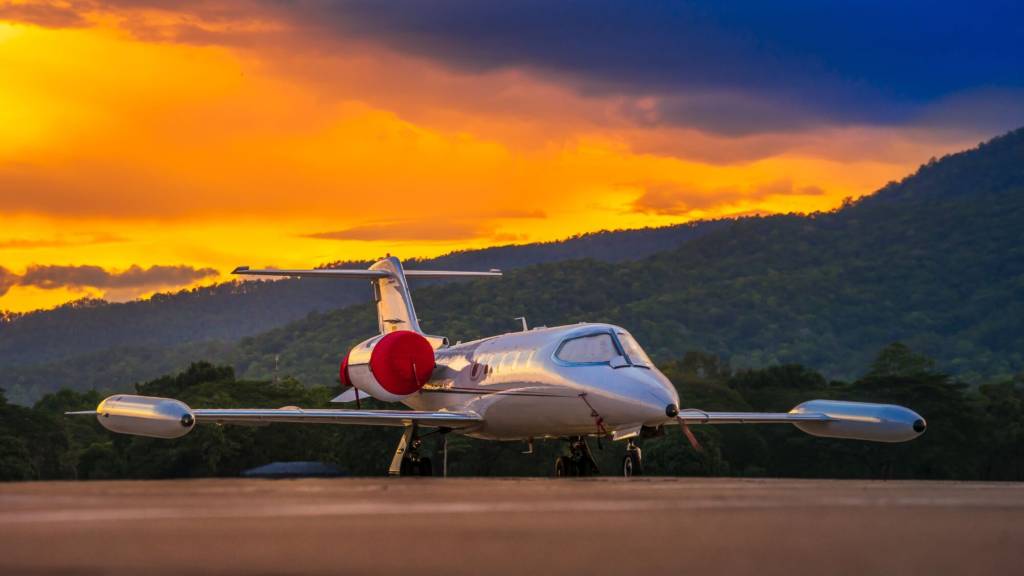
Another favourite Bangkok escape and destination for international visitors is Chiang Mai in northern Thailand, with its unique culture, foodie and coffee scene, and tropical mountainous areas.
Welcoming more than 2 million passengers annually, this busy airport is just 10 minutes from the city centre, making it so convenient for holidaymakers and weekenders. The airport handles up to 24 flights per hour, and according to WorldData, it is Thailand’s third biggest airport.
It has connections with several regional centres like Phuket, Koh Samui, Krabi, Khon Kaen and Hua Hin, the Thai capital and international destinations like Singapore, Korea, and Malaysia. Like all airports in Thailand, not all flight routes have resumed post-pandemic; however, they are well on their way.
Hua Hin Airport (IATA Code: HHQ)
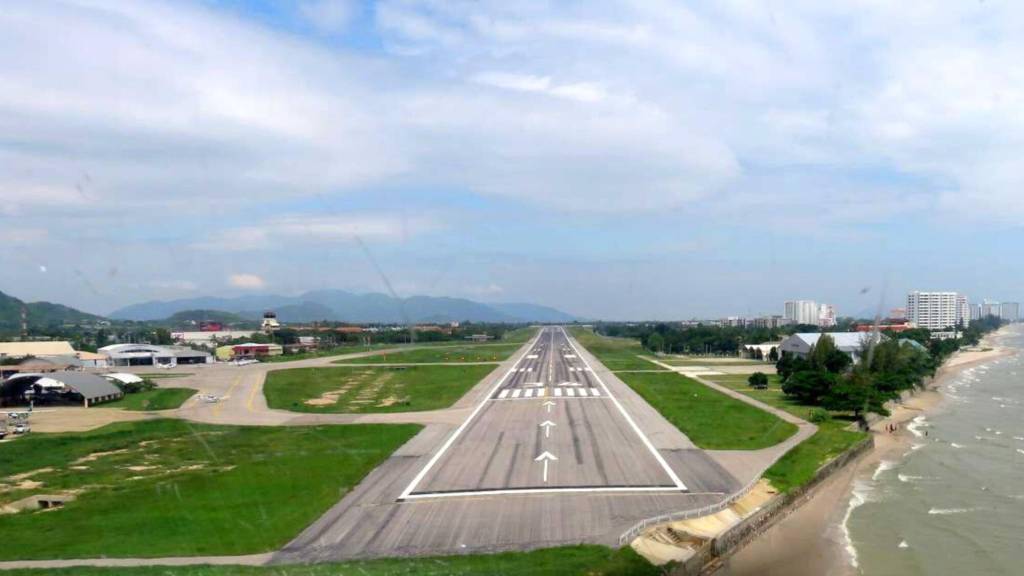
Many foreigners buy property in Thailand, and Hua Hin is one of several popular destinations. Located just 200 km south of Bangkok, Prachuap Khiri Khan province, it is home to fantastic seaside resorts and hotels. Previously direct international flights to Kuala Lumpur happened several times a week. However, there are only domestic flights between Hua Hin and Chiang Mai these days.
However, Hong Kong-based Phoenix Aviation Int’l Ltd. has acquired access to airport operations. Plans are afoot to introduce direct short-haul international flights (up to 5 hours) into Hua Hin airport once the current runway and tarmac extensions are complete. Upgrades to terminal facilities are also in progress to allow the handling of domestic and international flights simultaneously. Stay tuned for further development.
Easy Access Across the Kingdom
Thailand has 38 airports, with Airports Of Thailand, the kingdom’s Civil Aviation Authority, responsible for managing the designated significant entry points.
If you are contemplating moving to Bangkok, for work or on a new long-term resident visa, you will find connections to prime tourist destinations and regional centres quite straightforward. When looking for property to rent, buy or sell, Lazudi has offices in many major Thai destinations.
You may also be interested in this article: Thailand Pass Ends on the 1st of July: What You Need to Know