





 Are you moving to Bangkok? Perhaps an exciting new work opportunity? Maybe you have chosen to retire in Thailand’s exhilarating capital. Whatever your reason, Bangkok is a fabulous city for work, rest, and play!
Securing short-term accommodation before arrival removes stress from the move and affords time to get the lay of the land. Whether a few days or a couple of months, various sites like Air BNB, Booking.com, etc., can assist.
In Thailand, a long-term rental period is considered a minimum of 12 months. Before locking yourself in, deciding where you want to live, what facilities you need, and the accommodation style is essential.
A couple of things you’ll need. To stay long-term in Thailand, an appropriate visa allowing you to work, study or retire is necessary. A Thai bank account for transferring money for your rental property and daily living is essential. A bank will request some proof of residence, for example, a letter from the Immigration office confirming your address or work permit.
Before landing, check out real estate websites, blogs, and expat-focused websites to understand where to live, rental costs, inclusions, etc. Being within walking distance of the BTS and MRT rail network is optimal, as road traffic in Bangkok is often chaotic.
The areas popular with expats tend to be near transport, workplaces, shopping, restaurants and sometimes schools. This Sukhumvit Road article provides some ideas on popular districts. However, the financial districts of Silom and Sathorn, trendy Ploenchit and Witthayu Road (often called Wireless Road), and Ratchada – Rama 9 are also highly attractive.
With boots on the ground, engaging a trusted real estate agent, like our Lazudi team, can save a lot of time and heartache. Some people trawl neighbourhoods, seeking ‘for rent’ signs, but sometimes hit language barriers. Online rentals direct with an owner are also an option, though not recommended if wanting the clarity and protection of a lease.
Most expats in Bangkok rent a condo or apartment. However, some families or those seeking more space rent a house or townhouse. Our guide on this subject explains the difference between property types.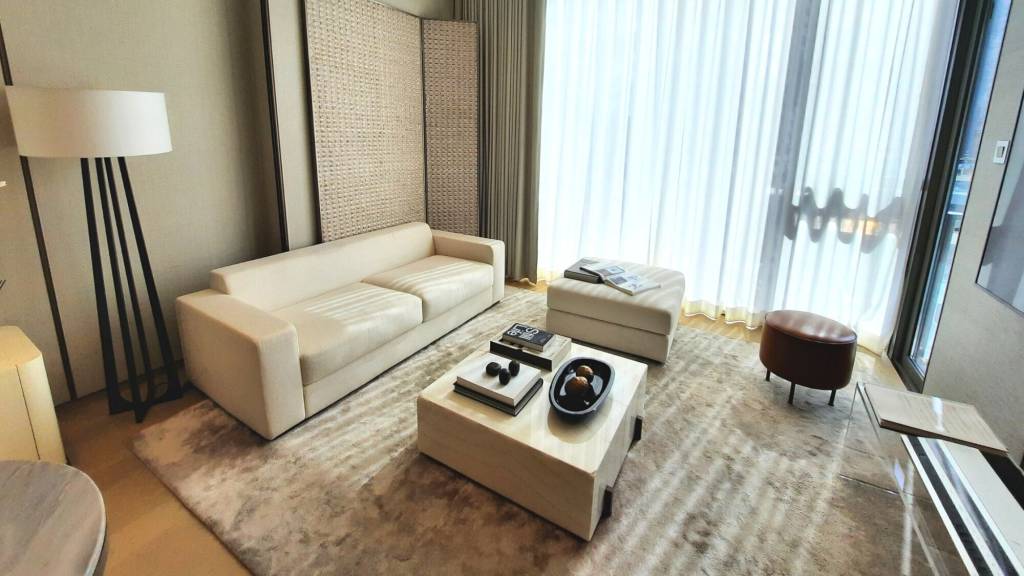 The Rental Process
Let’s take a step-by-step look at the rental process.
Step 1: Property Search and Viewings
Establish your property requirements, including things like:
- Budget;
- Size and number of rooms;
- Location and accessibility to transport, workplace, shops, schools, and restaurants;
- Preferred shared facilities, e.g. swimming pool, car parking, fitness centre, etc.;
- Pet-friendly condos if you are bringing pets;
- Furnished or unfurnished.
Online research identifying properties matching your requirements and highlighting those you want to view educates you about the Bangkok real estate market. Select a reputable agent, let them know what you are looking for, and they will help you find a new home quickly and efficiently.
Inspect prospective properties thoroughly, checking against your criteria. Don’t allow the ‘bells and whistles’ to cloud your judgement. If you love cooking, ensure it has a suitable kitchen and appliances; consider proximity to parks and gardens if you love outdoor space.
Step 2: Offers and Negotiations
When it comes to negotiating, in Bangkok, there is often a little ‘wiggle room’. The monthly rental rate, length of the contract, moving-in date, and furniture inclusions tend to be the main negotiating points. Offering an extended lease period may obtain a lower monthly rental rate.
Make a written offer clearly outlining your proposal, including desired rental rate, lease signing date, move-in date, lease length, and any other points. If you would like something repaired, painted, cleaned or furniture removed or added, request it now.
The landlord and the building management must approve permission to keep a pet. Although a condominium complex may declare it is pet-friendly, the individual landlord of the property you want to rent must agree. Ensure any pets are included in the lease agreement.
Step 3: Booking and Signing Documents
A booking fee of up to one month’s rent may be required to confirm your desire to go ahead and secure a lease agreement. These funds may later be used towards the payment of the first month’s rent in advance.
Next, the agent or landlord will draw up a lease agreement, including an inventory list and perhaps photos. The landlord should ensure the property is clean, any repairs or requests are attended to, and it is ready for moving in.
The documentation will be provided for you and the landlord for review. It is worth noting that Thailand doesn’t have a ‘Tenancy Agreement Act’ or the like, so carefully reading tenancy agreements is essential. If it is in Thai, obtain a translation. When all parties are happy, a ‘signing date’ will be agreed upon.
Step 4: Signing the Lease and Moving In
Usually, all parties meet to sign the lease. A Security Deposit equivalent to one month to a maximum of two months’ rent is often required when signing the agreement. This Security Deposit is returned at the end of the lease and on moving out, less any deduction for damages. The rental fee is payable at the commencement of each monthly rental period and is usually completed by bank transfer.
Step 5: Tenancy and Vacating
Maintenance issues should be reported to the Agent or the landlord during your lease as directed. In large condominium buildings, minor repairs may be quickly attended to by the Juristic offices’ onsite maintenance team.
If you choose not to renew the lease, ensure you still provide at least one month’s notice. Parties to the lease usually meet, review the inventory list and agree on any damage or areas subject to deduction. Ensure the property is thoroughly cleaned before the meeting and all property, i.e. access cards and keys, are returned.
Landlords are required to refund the security deposit minus deductions for damage outside of general wear and tear within 30 days of vacating the property.
Other Considerations
Water, electricity, internet and TV services are often paid directly to the service provider. Some condo/apartment buildings require fees to be paid at the management office, and rates may be above the Government rates.
Air conditioner cleaning is usually at the tenant’s expense and may require cleaning every six months, especially in Bangkok.
Renting a property in Bangkok is a vast topic, and this article scratches the surface. Our agents are ready to assist you in making a comfortable transition into your new home. You may also be interested in: