





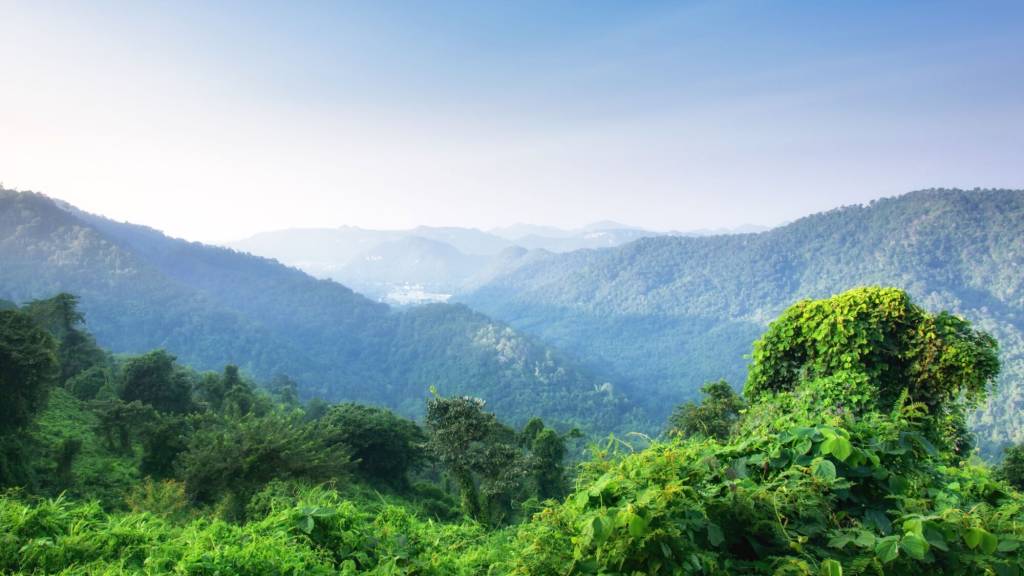
 Climate change is here, and it is now. Temperatures are rising, polar regions are melting, and the daily news is flooded with disasters from around the world – wildfires, flooding, droughts, heatwaves, crippling pollution, environmental disasters, biodiversity loss, and the like.
“Climate change is a ‘crisis multiplier’ with profound implications for international peace and stability” is how Secretary-General António Guterres of the United Nations described it when addressing the Security Council meeting in February 2021. At that same high-level gathering, naturalist David Attenborough described climate change as “The biggest threat modern humans have ever faced”.
COP 26, the United Nations Climate Change Conference in 2021, resulted in 179 countries committing to reducing carbon emissions based on the current trajectory by 20% by 2030 and further commitments by 2050. Thailand pledged to achieve carbon neutrality by 2065.
The Global Climate Risk Index 2021 ranks Thailand in the top ten countries most affected by climate change from 2000 to 2019. Additionally, in 2021 the Swiss Re Institute estimated if global temperatures rise by 3.2 degrees Celsius, the most severe scenario, the Thai economy could contract by up to 44% in 2050.
Thailand must be committed to sustainable development and achieving the COP26 targets. Indeed, every country and all people need to make changes to embrace sustainability fully. The Thailand real estate market, is moving towards green real estate with many ‘green’ projects completed and underway. In Bangkok, more public green spaces, including the fantastic Benjakitti Forest Park, are being created. But there is significantly more to be done.
How Does ‘Real Estate’ Fit into The Picture?
Perhaps you are a developer, investor, manager of an office or condo development, property owner, or tenant. Do you think this does not apply to me? The reality is every one of us uses buildings as homes, workplaces, recreation, shopping, leisure and more.
According to the World Green Building Council, a whopping 40+% of the world’s greenhouse gas emissions come from buildings, directly and indirectly, during construction, occupation, and use. To reduce and negate this, a holistic and committed approach is needed by all stakeholders for new structures as well as retrofitting existing buildings, regardless of use, size, etc.
What is a “Green” Building?
According to the World Green Building Council, ‘A ‘green’ building by its design, construction, or operation reduces or eliminates negative impacts and can create positive impacts on our climate and natural environment. Green buildings preserve precious natural resources and improve our quality of life. Any building can be ‘green’, houses, offices, hospitals, schools, recreational facilities, factories, shopping malls, transport infrastructure, etc.
If it were easy to build new or convert existing buildings to be green, we would all be doing that. However, there are many challenges or obstacles, some are perceived, and some are real. On the upside, with increasing numbers of green buildings, technological advances, and experiential learnings, it seems the benefits outweigh many of the challenges. Let’s look at both.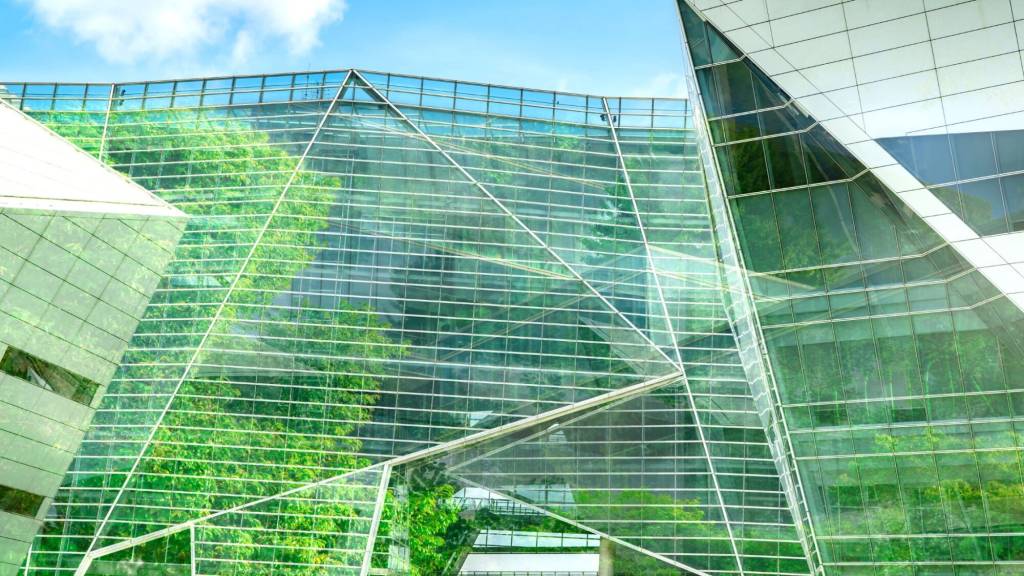 The Challenges of Green Buildings
Many real or imagined obstacles come to the fore when it comes to this topic. Economic considerations often top the list; however, the human factor is immense. Governments can be slow to change and implement regulations to address issues. Organisations, businesses, and individuals may be reluctant to change, comfortable with the status quo, or feel powerless that their efforts would have an impact.
Here are some of the more tangible challenges or obstacles:
- Cost Perception: Armelle Le Bihan, the founder of Green Building Consulting & Engineering, Thailand, says most people perceive green buildings cost 20% to 100% more than conventional sites. However, she says the World Green Building Council indicates an average of less than 2% additional construction cost for a Leadership in Energy and Environmental Design (LEED) certified building. LEED is an international standard for certifying green buildings.
- Costs: Many ‘green’ materials and energy-saving solutions are imported and can impact project costs.
- Laws and governance: Thailand is lagging behind many nations on the world stage. An Environmental Impact Assessment (EIA) isn’t required for all new buildings and refits. For example, residential structures with less than 80 rooms or facilities less than 4,000 sqm don’t need an EIA. Additionally, there is a lack of consistency and application of green initiatives.
- Knowledge and Ability: Construction workers have not been exposed to new green technologies and lack technical ability.
- Green building certification: Acquiring certifications, such as LEED, TREES, can be pretty costly.
- Insulation: In Thailand and other tropical areas, many developers don’t appreciate the benefits of insulation in buildings in aiding temperature control. In addition, being concealed from public view lacks the ‘visual’ added benefit.
 Benefits – Reaping the Rewards
As well as realising cost reductions, organisations are discovering and benefiting from the improved corporate profile, and building’s carbon emissions are being reduced. More specifically:
- Lower operating costs: for new building projects, there is usually substantial savings in operating costs, with the U.N. statistics indicating at least a 21% reduction in operating expenses compared to non-green peers.
- Savings in retrofits: buildings renovated and refitted with sustainable initiatives achieve cost reductions, albeit not as substantial as for a new build.
- Corporate Image: Increasingly, companies and organisations are establishing themselves in green buildings in Thailand to enhance their corporate image, hence appealing more to customers and employees. According to the U.N, occupant satisfaction is 30% higher in green buildings.
- Asset value and rental returns: Green buildings usually have a higher asset value of approximately 7% and potentially higher rental returns. Through savings on energy bills, ROI may be realised earlier than in conventional buildings.
- Generation Y / Millennials: This powerful group represents around 50% of the population. A recent study about this group showed that 70% would spend more on brands positively impacting society and the environment, and 83% would be more loyal to an employer with concrete sustainability goals.
The Imperative for Action is Now
Although the green building revolution in Thailand may be considered ‘young’, it is on its way to making measured improvements. Demand for sustainable properties continues to increase. Every step taken today will impact future generations and, ultimately, the viability of our planet.
Economically, morally, and politically the imperative is for this change to continue at pace if we avoid the doomsday outcomes already forecast at the United Nations, COP 26, and the highest levels of government worldwide.
 You may also be interested in: Bangkok’s Growing Greener Spaces