





Hardly a week goes by without some news headline reporting the impact of our changing climate and disasters attributed to these changes. In late 2021, participants at the United Nations Climate Change Conference, also known as COP26, again agreed to ratchet up efforts to mitigate climate change. A process that started with COP21 in Paris. One hundred ninety-seven member countries committed to reducing emissions based on the current trajectory by 20% by 2030 and further commitments by 2050.
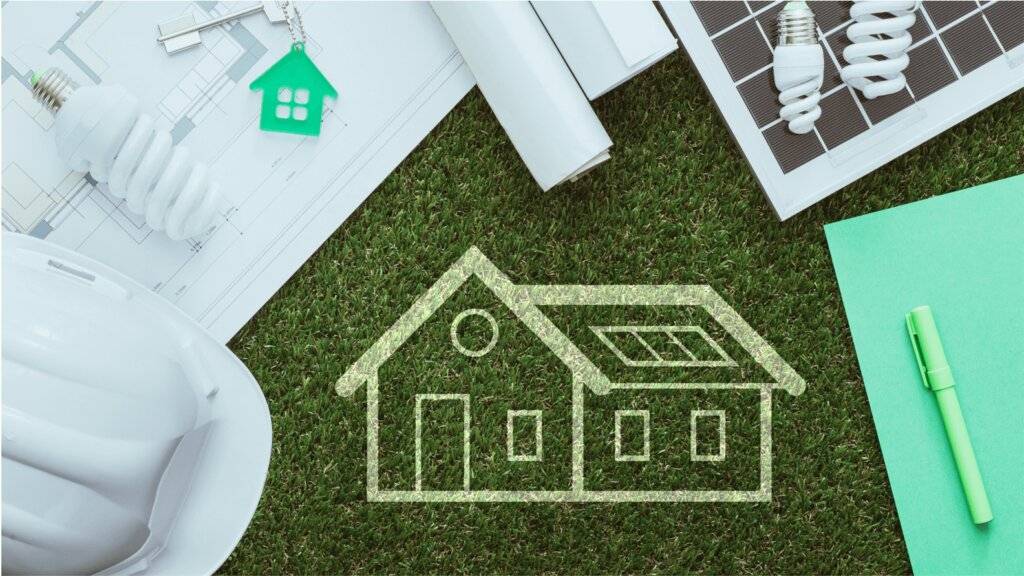
Thailand pledged to achieve carbon neutrality by 2065. However, to succeed, all sectors and particularly business, must reduce greenhouse gas through green growth to benefit both the economy and the environment. Under green growth, technology is the key to efficiency, innovation, and new business opportunities, according to the Thailand Development Research Institute (TDRI).
A recent TDRI conference presentation highlighted many corporations in Thailand already engaging in green business opportunities. For example, SPCG, BanpuNEXT, and B.GRIMM Power have invested in clean energy production businesses. PTT and Foxconn are also working together for their electric car industry, while Gracz is one of the leaders in the environmentally-friendly packaging sector.
Building Industry’s Greenhouse Gas Imperatives
As buildings are one of the most significant contributors to greenhouse gas (GHG) emissions, at 30% globally, addressing buildings addresses climate change. Today buildings account for 40% of global energy use, 25% of international water use and 40% of total material resources. They also hold the key to mitigating the impacts of climate change as the industry decides to design, renovate and operate them more efficiently and responsibly.
Around the world, various green building rating tools are used to educate, guide and set guidelines for ‘green’ solutions. LEED (Leadership in Energy and Environmental Design) is among the most renowned systems.
Locally, between 2008 and 2010, a group of volunteer engineers and architects drafted criteria and standards for Thai green buildings. This not for profit organisation became the Thailand Green Building Institute (TGBI). Adapted from the LEED certification, their TREES (Thai’s Rating of Energy and Environmental Sustainability) has been translated into Thai and modified to suit a developing country. Both LEED and TREES are now commonly utilised in Thailand.
New National Building Codes
Furthermore, Thailand made another significant step into attaining more sustainable living. In March 2021, after years of political wrangling, Thailand’s Building Energy Code (B.E.C.) came into effect.
Under the auspices of the Department of Alternative Energy Development and Efficiency (DEDE), the B.E.C. stipulates that buildings greater than 2,000 square meters must comply with the rules, standards and procedures for a building designed for energy conservation. It applies to new builds and expansions and includes:
- hospitals,
- entertainment service buildings,
- educational institutions,
- office buildings,
- condominiums,
- meeting halls,
- hotels,
- service facilities,
- shopping malls and department stores
The B.E.C. sets minimum requirements for insulation, roof structures, lighting, air conditioning, hot water production, and renewable energies. Some flexibility is permitted to the building design, allowing one system’s weakness to be offset in another.
Let’s take a look at some initiatives property developers are using to reduce their carbon footprint:
- Green Materials and Suppliers: choosing sustainable materials; vetting materials regarding the source and construction; buying wood from a supplier that replaces trees; using recycled materials; using cement alternatives.
- Water Conservation: installing low-flow toilets, taps, and showerheads; water recycling
- Reducing Energy Wastage: installing suitable insulation, using clever design and layout, e.g. skylights, large windows, motion sensors
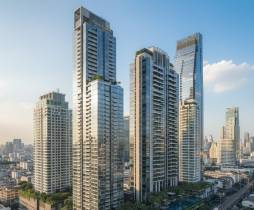
- Green Property Development: using green walls, large trees and gardens to reduce energy consumption, sunlight impact, heat, and provide more fresh air.
- Sustainable Electricity: adding solar panels
- Lifestyle of Residents: building within walking distance of amenities such as transport, shops, restaurants, entertainment, etc.; providing quality onsite facilities, like jogging tracks, fitness facilities, swimming pools, co-working spaces and green spaces for relaxation and enjoyment.
Building Green – a Cost Impost or Smart Business
Green buildings use considerably less energy, water and material resources to provide higher quality indoor environments while reducing their carbon footprint.
According to the U.N., the medium cost increase of LEED-certified buildings is only 1.6%, dispelling the myth they are prohibitively expensive – both upfront and longer-term. Additionally, green buildings deliver added value as their operating costs are at least 21% lower than those of non-green peers, occupant satisfaction is 30% higher, and the asset value is 7% higher.
In Thailand, green buildings have more than doubled annually since 2007. According to a 2017 report by Siam Commercial Bank Economic Intelligence Center, there are more than 5 million square metres of green buildings in the kingdom, representing a 54% annual growth rate on average.
With a 40% market share, commercial buildings, namely offices, dominate Thailand’s green building sphere. They are followed closely by the retail, hotel, and industrial properties taking advantage of buildings’ eco-friendly and efficient business value, plus the inherent marketing opportunities.
In the residential real estate sector, condominium and house developers are catching up with the movement, eager to gain a competitive advantage. Although LEED is the predominant certification rating, the TREES standard is gaining attention among developers, notably because compliant projects receive a bonus floor area ratio (FAR) allowance.
Change is Happening
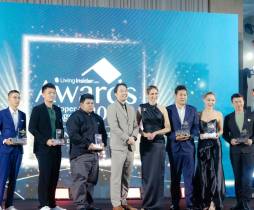
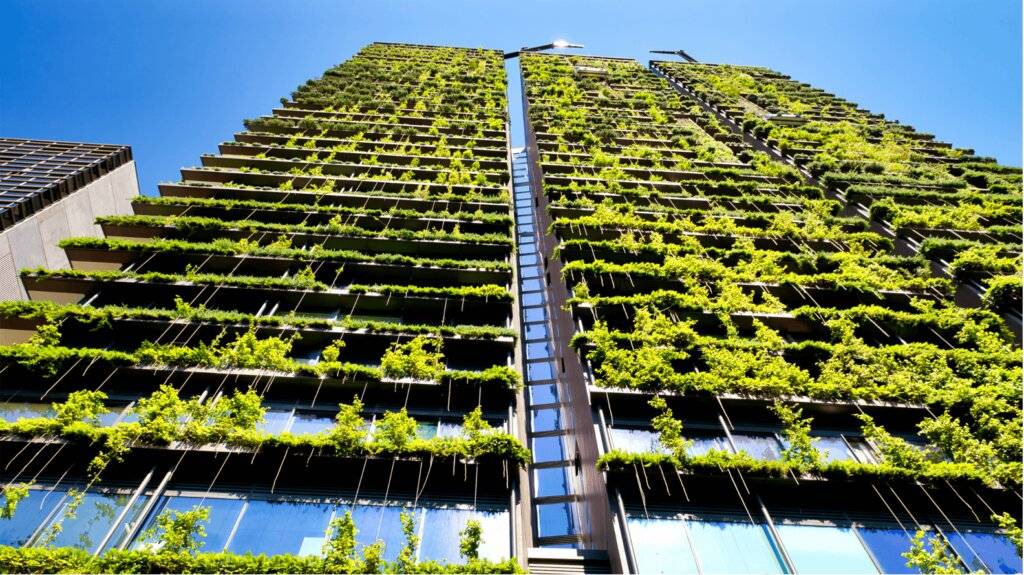 Given such evidence, many in the Thailand residential property market are firmly focused on designing and building environmentally friendly condos, as highlighted in the 2020 PropertyGuru Thailand and Regional Property Awards.
The Best Sustainable Developer was awarded for the first time to L.P.N. Development P.C.L., who designed and planned following LEED. Using modular systems, sustainable construction and technology approximately halved building time, reducing environmental impacts such as dust, noise and waste and lowering costs overall. L.P.N’s Lumpini projects are well recognised, including Park, Parkbeach, Place, Ville, Townville, and several Siam Sindhorn properties.
Also, in the Awards spotlight, Habitat Group received a distinction for Best Condo Architectural Design for Walden Thonglor 8. Residences at Mandarin Oriental at Iconsiam achieving a LEED Gold Rating. Other residential properties have received or are seeking accreditation through LEED and TREES.
On a commercial level, there are plenty more examples. S.C.G.’s futuristic 22-story Bang Sue structure received LEED Platinum certification thanks to the application of advanced sustainable technology, including tiles produced from recycled materials, exterior glass panes with low-heat transmission, solar panels and energy-saving lamps.
At the same time, Rasa Two in Chatuchak aims for LEED Gold certifications thanks to its central chilled water air-conditioner and cutting-edge water pump technology. Air purifying systems filter out PM2.5 and smaller particles to PM10, three-layer insulated laminated low-E glass windows, reducing heat noise and thus minimising CO2 emission.
Chulalongkorn University’s Centenary Park or “Forrest in the City” and Thammasat University Rooftop Farm are two examples of innovative and effective sustainable development, especially water management from the education sector – putting real-world research into action.
Is Community On-board?
What is the attitude of the “buying public”? A recent Nielsen survey in the Asia Pacific indicated that 64% of people are willing to pay extra for products and services from companies committed to a positive social and environmental impact. Growing demand for more sustainable properties will inevitably increase with the groundswell of climate change action. People are already deciding to protect themselves and their families when choosing where to live, work and play, with green as a strong motivating factor. Every step taken today will impact future generations and, ultimately, the viability of our planet.