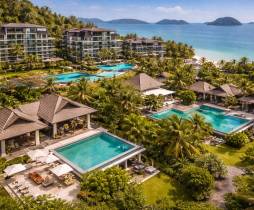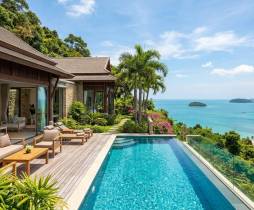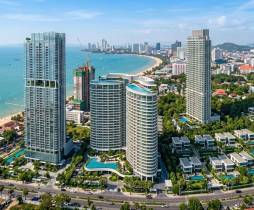






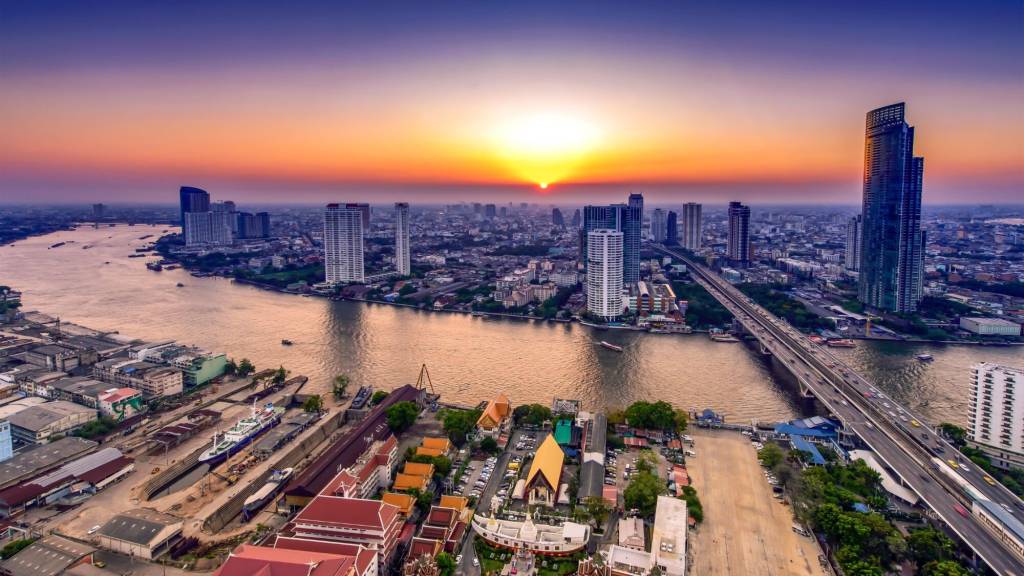
 Thailand offers a diverse variety of condominium developments around the country. Some of the best locations for expats are Bangkok, Pattaya, Phuket, Hua Hin, Chiang Mai, and Koh Samui.
Many savvy investors and homeowners prefer to buy off-plan. This strategy often means buying well before project completion at a lower price. A popular choice with those investing in property in Thailand. For the buyer, it can provide a broader selection of units, an ability to negotiate better terms and conditions, and potentially, a higher profit if reselling. For the developer, off-plan purchases provide cash flow and greater certainty.
This article provides a step-by-step process for foreigners buying property in Thailand for off-plan and newly built developments.
1: Choose the Development, Check the Foreign Quota
Thailand only permits a maximum of 49% foreign ownership in any development. With the ‘green light’ that your purchase does not exceed the Foreign Quota, the contract terms, i.e. purchase price, initial deposit, instalment payments, completion date, tax and transfer fees payment, and non-compliance terms are agreed upon.
2: Engage a Reputable Lawyer – Due Diligence
Even with the most reputable developer, there can be pitfalls. Engage a lawyer to complete due diligence, including research into the developer’s credentials, title search, EIA and other regulatory compliance and permits, contract review, and other matters as your lawyer outlines.
3: Reservation Agreement
Once you have decided on the specific unit, the developer will provide a Reservation Agreement and request a small booking fee to reserve the property. Once signed and paid, the unit will not be offered to another purchaser.
4: Review Sales and Purchase Agreement (SPA)
Upon completion of the Reservation Agreement, a SPA will be prepared for execution, with up to 30 days for review. Both copies of the SPA must be signed on every page using blue ink. The seller will return one copy with counter-signatures. From this point, the contract is legally binding and can only be altered by mutual consent.
5: Initial Deposit or First Contract Payment
The SPA will outline the date and amount due for the deposit, usually between 10% to 30% of the total purchase price.
Critical Point: Transferring Money for Freehold Foreign Ownership
For foreigners buying a condominium in Thailand, 100% of the funds must be transferred from overseas as a foreign currency. Your Thai bank will provide a Foreign Exchange Transaction Form (FETF) on request. This shows you are investing in the country.
It is required at the time of transfer at the Land Office to obtain the title deed. Secondly, you must show proof of the overseas fund transfer when you resell the property, especially if wanting to take these funds out of the country.
In some cases, Thailand’s larger developers have internal legal and finance teams who handle all the paperwork and land office requirements at no additional cost to the buyer. Check with your real estate agent and or the developer.
Foreigners working in Thailand should seek legal advice on executing a purchase using funds earned in Thailand.
6: Payment Installments
The SPA will outline payment instalments during the construction period, and it is vital not to default on any of these. The amounts and frequency vary between developers.
7: Inspection and Defects
Usually, one to two weeks before the handover day, a unit inspection is completed, recording any defects. Once these are rectified, the remaining balance is due.
8: Completion and Transfer Fees
The final settlement takes place with any defects rectified, and the unit ownership is transferred to your name. As part of the final payment, some fees need to be calculated and paid:
- Common Area Fee is the cost of managing the common property of the development, such as cleaning and general maintenance, staff salaries, etc. This fee is paid monthly and is usually calculated based on a set amount multiplied by the size of your unit per square meter.
- Sinking Fund is a fund set aside for future capital expenses such as major repairs to the building, elevators, etc. This is usually a one-off fee paid at the time of purchase, and when funds are depleted, owners contribute again.
- Transfer Fee is the land transfer fee payable to the Land Office, currently 2%, and may be shared between the seller and buyer.
Your lawyer or agent can advise any other fees, like extra parking spaces or other taxes.
You don’t need to be in Thailand for the handover process, as your lawyer or another trusted third party can act on your behalf if you have given them that power.
As mentioned upfront, this guide is specifically for foreign buyers keen on purchasing a new property in Thailand. Processes may vary depending on developers. For more details, don’t hesitate to contact our local Lazudi agents to guide you through the process. You may also be interested in: Property Mortgage Loans in Thailand for Foreigners